How A Bridge Can Restore Your Smile
Losing a tooth does a lot more than dim your smile; it also disrupts your bite, muffles your speech, and lets neighboring teeth drift out of place. A dental bridge is a trusted and effective restorative solution that helps fill the gap left by a missing tooth, restoring the appearance and functionality of your smile.
What Exactly Is a Dental Bridge?
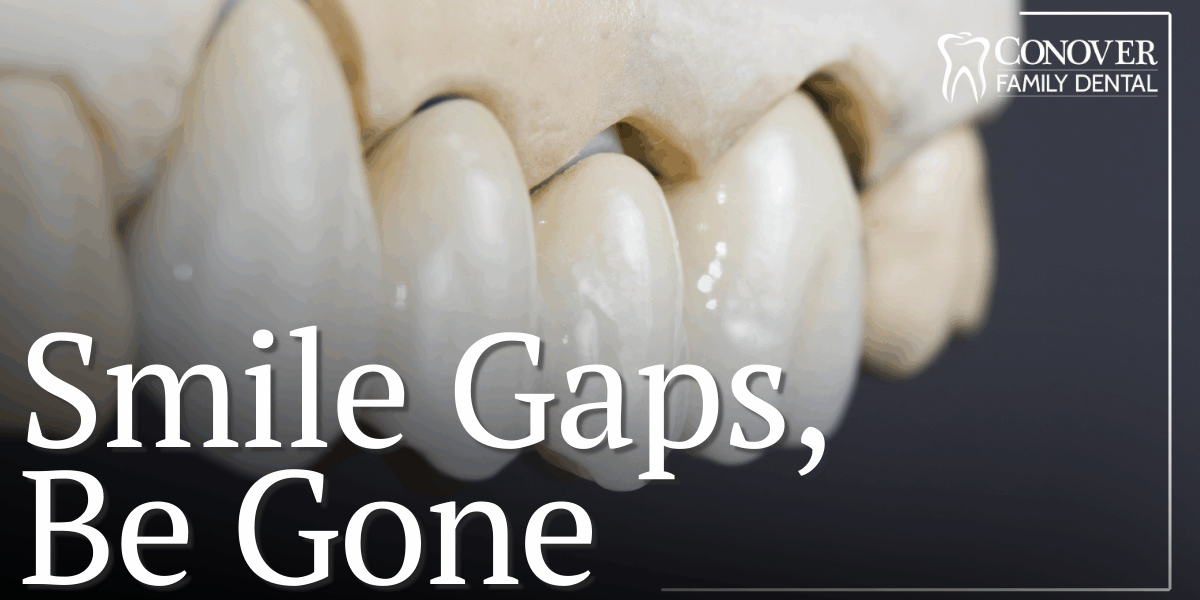
A dental bridge is a fixed dental restoration used to replace one or more missing teeth by joining an artificial tooth (called a pontic) to adjacent teeth or dental implants. Think of it as a literal bridge spanning the gap.
Listed below are the five main ways a bridge can restore your smile after tooth loss:
- Restore Chewing Function
One of the main benefits of a dental bridge is its ability to restore proper chewing function. Missing teeth can make eating difficult or painful, forcing you to avoid certain foods or chew unevenly. A bridge fills the space with artificial teeth, allowing you to bite and chew comfortably again. This improved function supports better nutrition and overall health. - Improve Speech
A dental bridge also plays an important role in speech. Teeth are essential for pronouncing certain words and sounds correctly. When a tooth is missing, speech may become slurred or a lisp can develop. The presence of a bridge restores the natural shape of your teeth and palate, helping you speak clearly and confidently. - Enhance Appearance
Beyond providing functional benefits, a dental bridge significantly enhances your smile’s aesthetics. The gap from a missing tooth can be noticeable and affect your facial appearance. A well-crafted bridge blends seamlessly with your natural teeth, filling the space invisibly and restoring the beauty of your smile. This boost in appearance can increase self-esteem and promote positive social interactions. - Prevent Teeth Shifting
Another crucial benefit of a bridge is preventing teeth from shifting. Teeth adjacent to a missing tooth may drift into the empty space over time, causing misalignment, bite issues, and difficulty cleaning between teeth. By stabilizing the bite and keeping teeth in position, a dental bridge helps maintain your oral health and avoid further complications. A dental bridge will also help maintain your facial structure. Missing teeth and bone loss in the jaw can cause a sunken appearance and change the shape of your face. A dental bridge supports the cheeks and lips, preserving facial contours and creating a youthful look. - Last a Long Time
Regarding durability, a dental bridge is designed to last many years with proper care, often between 10 and 15 years or longer. A bridge is typically anchored to healthy neighboring teeth that are shaped to support the crowns holding the bridge, providing a stable, long-lasting restoration.
How To Care for a Dental Bridge
Caring for a dental bridge involves good oral hygiene practices, including brushing, flossing (using special floss for bridges), and regular dental check-ups. Because food can get trapped beneath the pontic (the artificial tooth in the middle of the bridge), meticulous cleaning is necessary to prevent gum disease and decay around supporting teeth.
Types of Dental Bridges
Dental bridges come in different types:
- traditional
- cantilever
- Maryland
- implant-supported
Each type has its own advantages depending on your specific dental needs, bone health, and aesthetic goals. Schedule a consultation with us to help determine the best solution for you.
Is a Dental Bridge Right for You?
A dental bridge is an excellent way to restore smile function and appearance after tooth loss. Bridges support chewing, speech, and facial structure while preventing tooth movement and promoting oral health. This comprehensive approach ensures a healthier, more confident smile.
If you’ve lost a tooth or two, schedule a consultation with us at Conover Family Dental, located in Cincinnati, OH. We can help you explore how a dental bridge could be the right restorative option to enhance your oral health and quality of life.